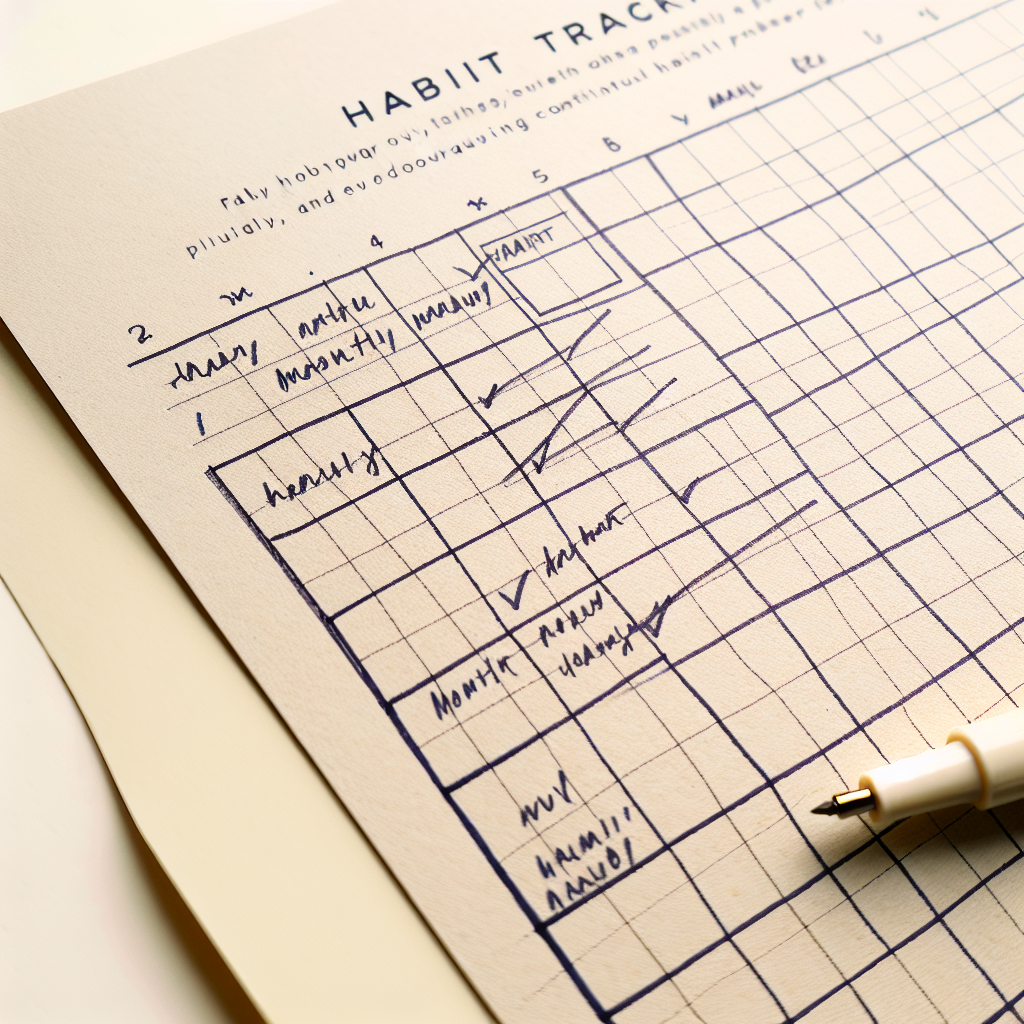
Why Analog Tracking Works Better
Habit tracking apps promise ease and automation. But here's what they don't tell you: the very act of manually marking your progress is psychologically powerful. When you physically draw an X or fill in a square, you're engaging multiple sensory systems. You see the mark, feel the pen move, hear the scratch on paper. This multi-sensory experience creates stronger memory encoding than tapping a screen.
Plus, analog trackers are always visible. Your habit tracker sits on your desk or bedside table—a constant, non-nagging reminder. You can't swipe it away like a notification. You can't forget about it when your phone is in another room.
Analog Tracking Methods
The Grid Method
Draw a simple grid: habits down the left side, dates across the top. Each day, mark an X or ✓ in the box if you completed the habit.
- Best for: Multiple habits tracked simultaneously
- Time required: 30 seconds daily
- Satisfaction level: High—visual patterns emerge
The Chain Method
Draw a row of circles or squares for each day of the month. Color one in each day you complete the habit. The goal is to not break the chain.
- Best for: Single critical habit you want to prioritize
- Time required: 10 seconds daily
- Satisfaction level: Very high—don't break the chain!
The Bullet Journal Method
Create a monthly spread with creative layouts, symbols, and color coding. Personalize completely to your preferences.
- Best for: Creative types who enjoy design
- Time required: 1-2 minutes daily, 30 mins setup monthly
- Satisfaction level: Extremely high—it's beautiful
The Tally Method
Instead of yes/no, track frequency. How many glasses of water? How many pages read? Simple tally marks each time you do the action.
- Best for: Habits done multiple times per day
- Time required: 5 seconds per occurrence
- Satisfaction level: Moderate—good for data lovers
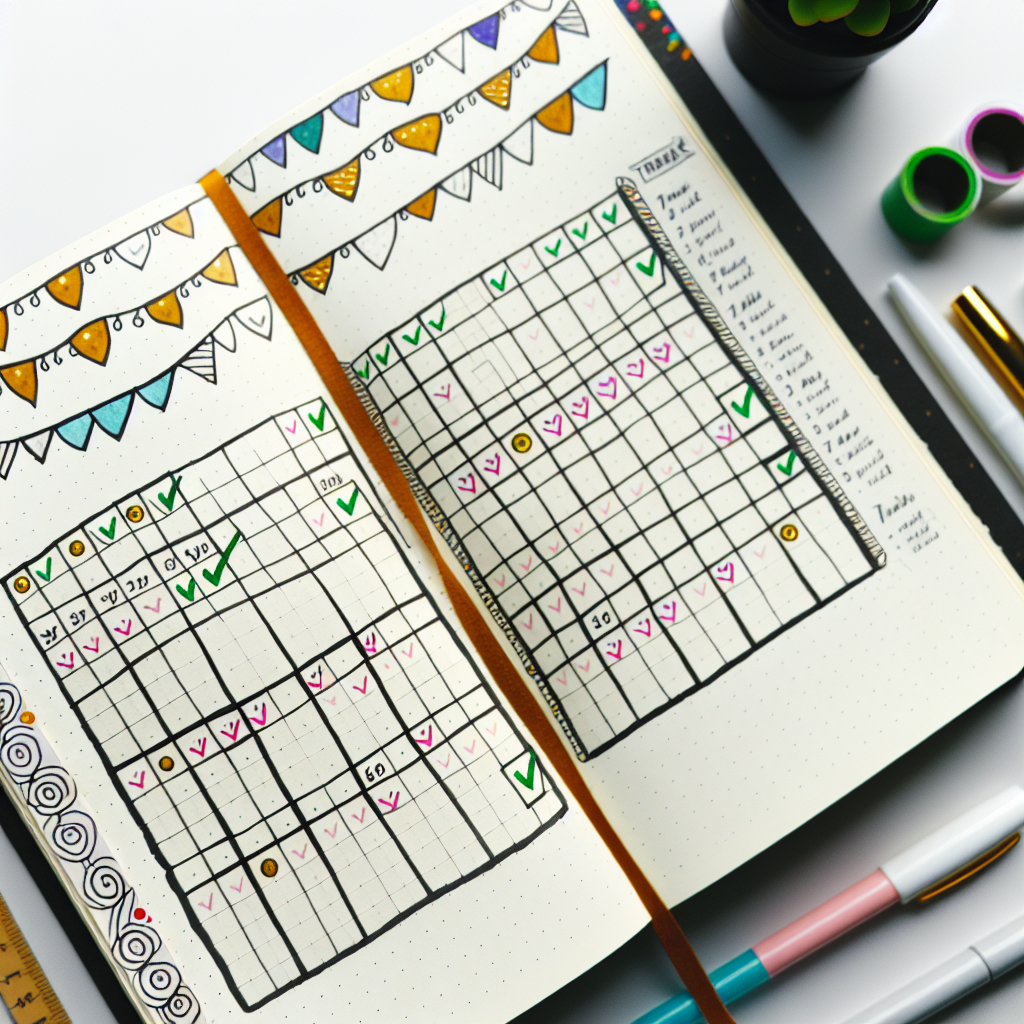
Starting Your Analog Tracker
Step 1: Choose 3-5 habits maximum. More than that becomes overwhelming. Focus on what truly matters right now.
Step 2: Select your tracking method. Don't overthink this. The grid method works for 90% of people. Start there.
Step 3: Create your first tracker. Use a notebook you already have. Rulers and perfect lines are optional. Functionality over aesthetics initially.
Step 4: Place it somewhere visible. Nightstand for morning habits. Desk for work habits. Kitchen counter for health habits.
Step 5: Set a tracking time. Most people track in the evening as part of their wind-down routine. Whenever you choose, make it consistent.
The Anti-Streak Philosophy
Unlike apps that penalize you for missing a day (breaking your streak), paper tracking is forgiving. Miss a day? Leave it blank and continue tomorrow. The visual representation shows your overall pattern—which is more important than perfection. You're building a habit, not maintaining a streak. Some weeks you'll see mostly filled boxes. Some weeks fewer. Both are valid. The tracker shows reality, not gamified fiction.
Advanced Tracking Techniques
Color coding: Use different colors for different habit categories. Blue for health, green for learning, orange for creativity. The visual variety keeps it engaging.
Notes column: Add a narrow column for daily notes. "Felt tired" or "Easy today" provides context that helps you understand patterns.
Monthly review: At month's end, calculate your success rate for each habit. 80%+ is excellent. 50-80% is good progress. Below 50% means the habit needs simplification or the goal needs reconsidering.
Quarterly retrospective: Every three months, flip through your trackers. You'll notice trends: which habits stuck, which faded, what external factors affected your consistency. This meta-awareness is impossible with digital tracking—you'd have to export data and analyze graphs. With paper, you simply flip pages and see your life.
What to Track (and What Not To)
Good candidates for tracking: Daily actions that build toward long-term goals. Exercise, reading, meditation, creative work, social connection, sleep routine.
Poor candidates for tracking: Things you already do automatically (brushing teeth), things completely out of your control (weather), or things that shouldn't become rigid (spontaneous fun).
The best habits to track are those in the "important but not urgent" category—the ones that build your future but are easy to deprioritize in the moment. Tracking provides the gentle accountability that keeps them top of mind.
Remember: the tracker is a tool, not a taskmaster. It serves you, not the other way around. If tracking a habit starts feeling like punishment rather than motivation, it's time to reassess.