Design Your Space, Design Your Life
James Clear, in Atomic Habits, writes: "Environment is the invisible hand that shapes human behavior." You don't need willpower if your environment does the work for you. This is the principle behind environment design—making the right choice the easy choice through strategic arrangement of your physical space.
Unlike digital habit tracking that requires you to remember to check an app, environmental design works automatically. Your surroundings trigger behaviors without conscious thought.
The Four Principles
- Make It Obvious: Place items related to good habits in plain sight. Your yoga mat in the corner of your bedroom. Your journal on your desk. If you can see it, you'll remember it.
- Make It Attractive: Organize beautifully. A well-arranged bookshelf invites reading. A clean kitchen counter encourages cooking. Aesthetics matter—they signal that you care about these activities.
- Make It Easy: Reduce friction. Pre-portion snacks. Lay out tomorrow's clothes tonight. Each small convenience compounds over time.
- Make It Satisfying: Create completion zones. A designated spot for keys that feels satisfying to use. A pen that clicks nicely when you finish your daily list. Small pleasures reinforce behaviors.
Room-by-Room Implementation
Bedroom
- Remove screens or use a charging station outside the room
- Place a book and reading light on nightstand
- Keep a journal and pen within arm's reach
- Use blackout curtains to control wake time with natural light
Kitchen
- Store healthy foods at eye level
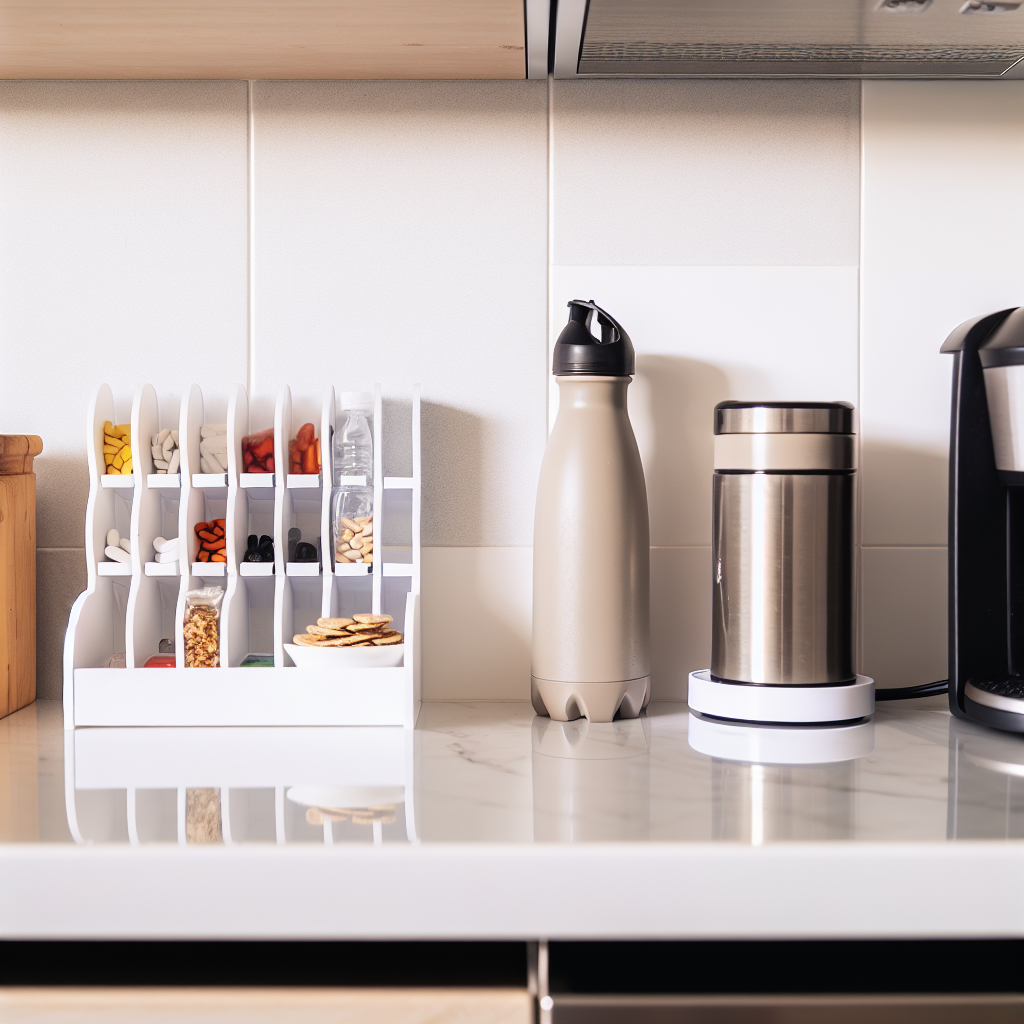
- Pre-portion snacks in clear containers
- Keep a water pitcher visible on the counter
- Create a coffee/tea station for mindful morning rituals
Work Space
- Single-task desk setup: only current project visible
- Physical inbox for papers requiring action
- Timer or clock visible to manage time blocks
- Notebook always open to today's page
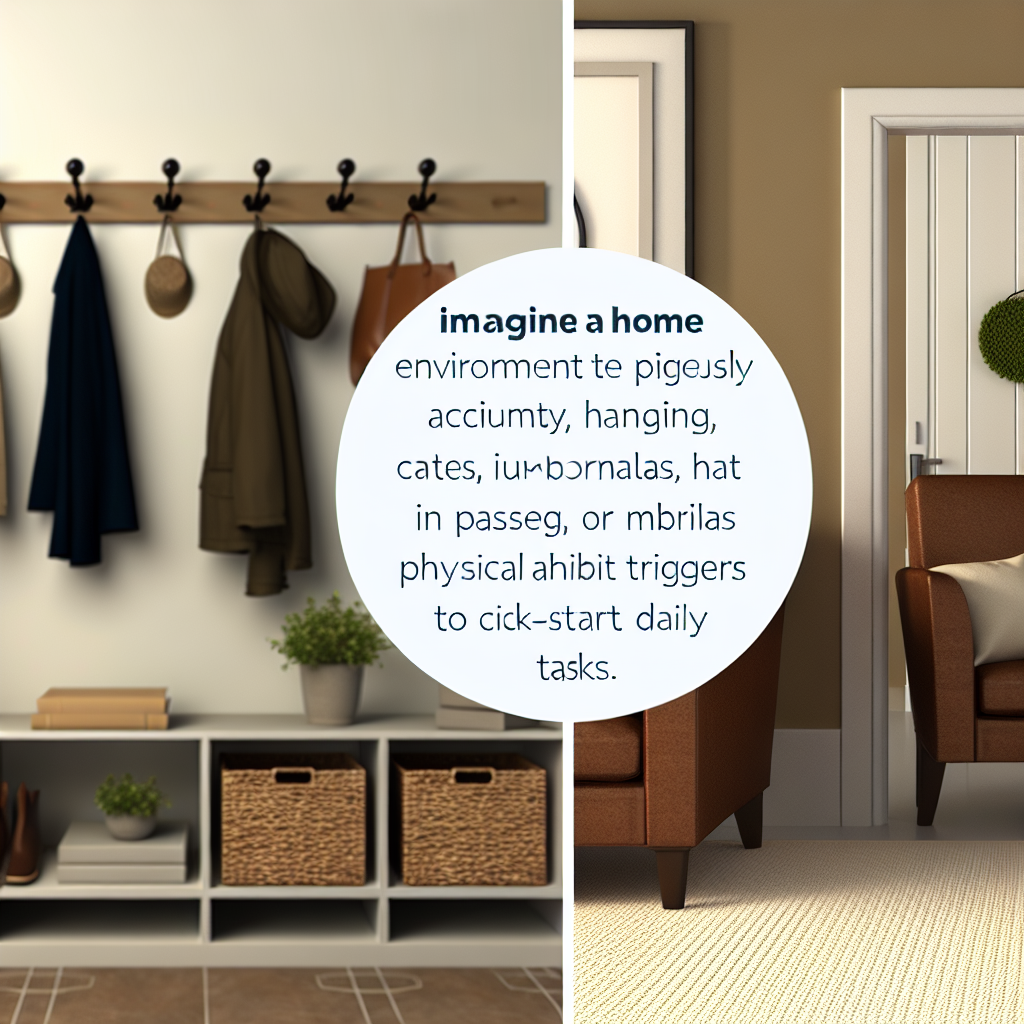
Entryway
- Designated hook/basket for keys and wallet
- Shoe rack to maintain order
- Wall calendar visible when leaving/entering
- Small tray for items to remember: library books, mail to post
The Reset Ritual
Environment design isn't a one-time setup—it's a daily practice. Implement a 5-minute evening reset:
• Clear surfaces: Return everything to its designated home. A clear space tomorrow morning means a clear mind.
• Prepare for success: Set up tomorrow's first task. If it's exercise, lay out your clothes. If it's writing, open your notebook to a fresh page.
• Visual scan: Walk through your space. Are your cues visible? Is the path to good habits clear?
This daily reset takes minutes but saves hours of decision fatigue. You wake up to an environment that's already working in your favor.
Less Is More
Minimalism isn't just aesthetic—it's functional. Every object in your space either supports your goals or distracts from them. Be ruthless: if it doesn't serve your routines, consider removing it. The less clutter, the clearer your environmental cues become.
Your home should feel like a supportive framework, not a demanding to-do list. When designed well, it whispers gentle reminders rather than shouting obligations.